This month’s Headbangers Book Club Official Selection is a special one, as it’s the first book we’ve read that’s not a total sausage party! Pamela Des Barres may not have been a rock star in her own right (unless you count her brief stint in the Zappa-sponsored girl group the GTO’s), but her memoir I’m with the Band is a vital counterpoint to the male-dominated hijinks of ’60s and ’70s rock; plus there’s a couple of real questionable relationships with preteen boys, so it fits right in with our previous selection in even more ways than expected! We’ll be back in a few weeks with Part 2. Thanks for listening!
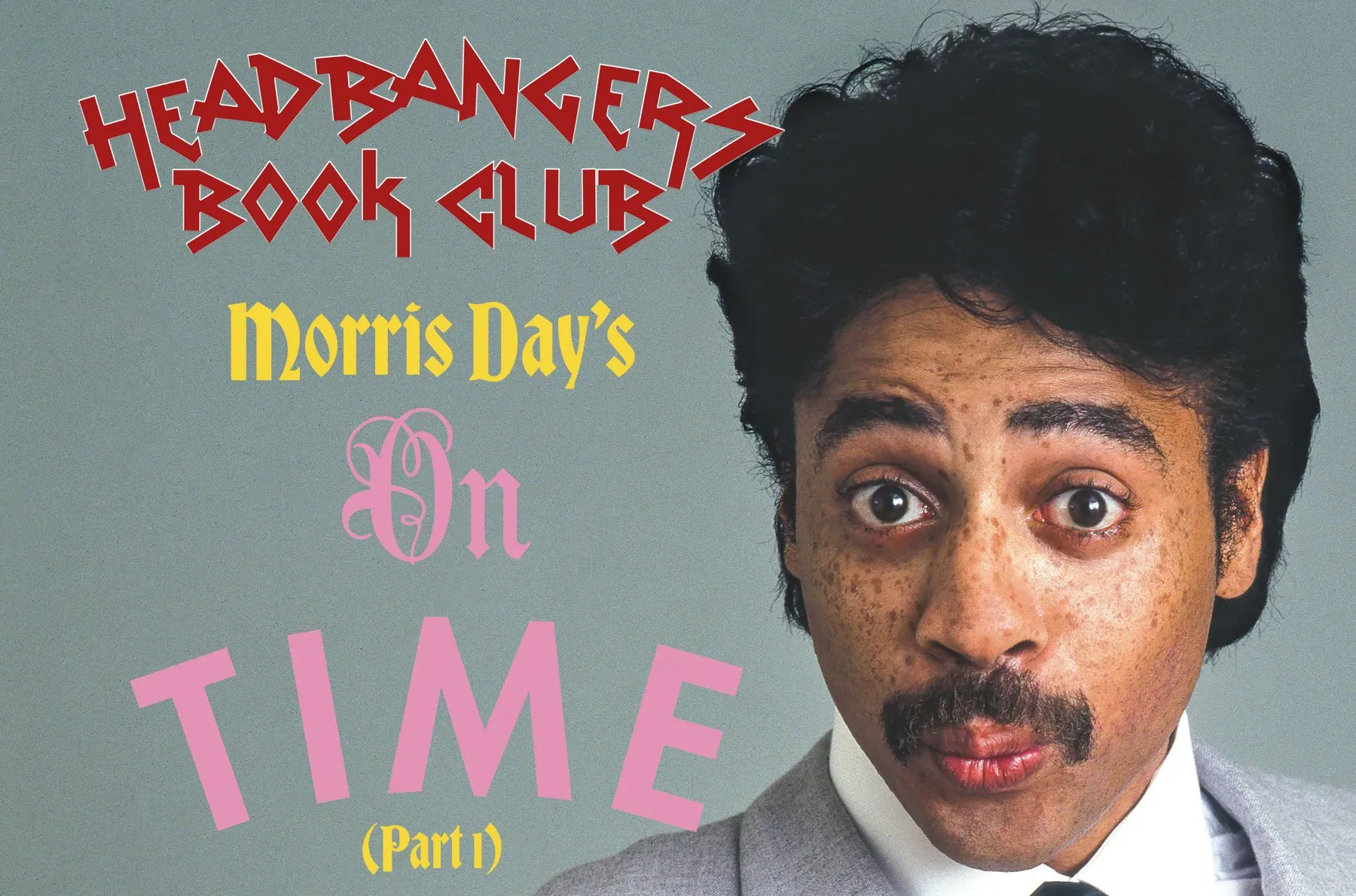
It’s a special #jhericurljune installment of the ol’ Book Club as we dig into 2019’s On Time: A Princely Life in Funk by Morris Day with David Ritz–so, slightly less headbanging than normal, but don’t worry, there’s plenty of the important stuff (i.e., cocaine). We’ll be back in a couple of weeks with Part 2, at which point we’ll also announce our official HBC selection for July. Remember, don’t let us Meat Loaf!
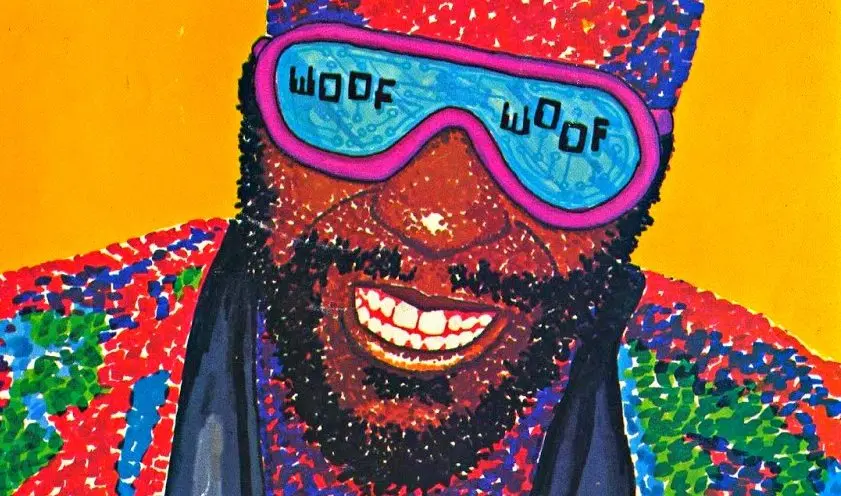
After devoting much of the last three years to our love-hate relationship with ’70s clown-rockers KISS, we felt it was only appropriate to catch them on their (alleged) farewell tour and pay our final (dis)respects. Here are our impressions. This is another short one, but we’ll be back in a few weeks to talk about the autobiography of P-Funk originator George Clinton, Brothas Be, Yo Like George, Ain’t That Funkin’ Kinda Hard on You? If you have any questions or comments about the book you’d like us to address on air, find us on on Facebook, Twitter, Instagram, or YouTube.
This is our fifth year of Jheri Curl June, and it continues to amaze me how little we have to search for new songs and artists to spotlight: even five years in, we still end each June with a backlog of tracks we weren’t able to cover. But, especially toward the end of the month, it doesn’t hurt to have a little help. That’s why I was grateful when a friend of the podcast, Berlin-via-DC DJ and nu-disco artist Snax, brought Charlie Singleton to my attention earlier this month.
Not to be confused with the Charles Singleton who co-wrote “Strangers in the Night,” Charlie Singleton was a guitarist and songwriter who played a major role in the band Cameo’s early-’80s shift from George Clinton-style P-Funk to Jheri Curl Music–he contributed backing vocals and guitar to our 2014 Jheri Curl June inductee “Candy,” among many other tracks. But he was also the focal point of a few of his own groups, including the delightfully-named early-’80s boogie group Stargasm and his vehicle from later in the decade, Modern Man.
The title track from Singleton’s second album with Modern Man, 1987’s “Nothing Ventured, Nothing Gained” has all the makings of a late-period JCM masterpiece: Minneapolis-style synth hits, clean funk guitar, and backing vocals by Charlie’s pals in Cameo–including a healthy helping of Larry Blackmon’s signature “oww!”
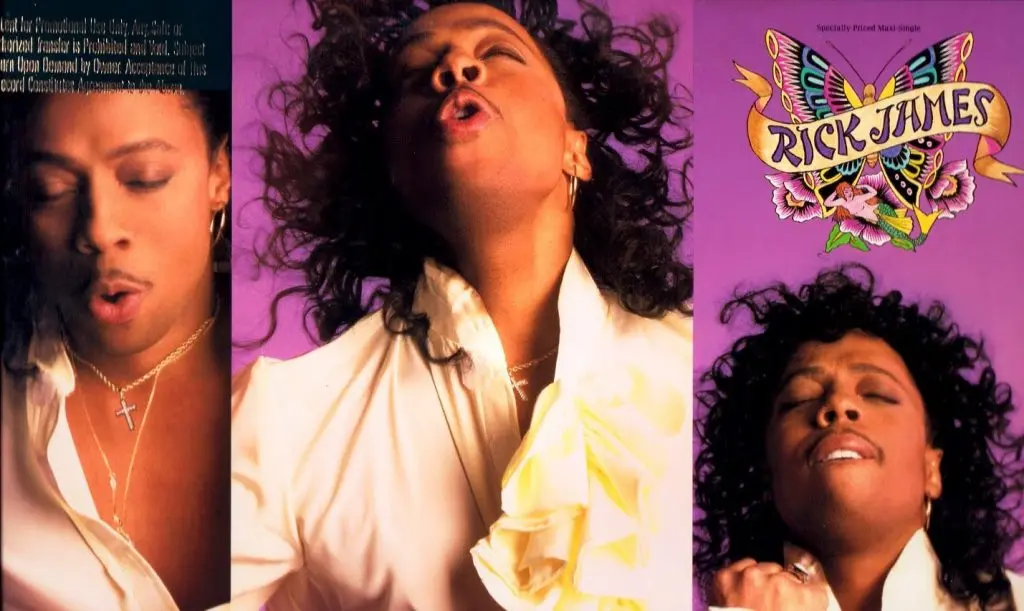
It didn’t take a stroke of genius to come up with the idea for this year’s Jheri Curl Junepodcast. Rick James may be the most important architect of the genre we call Jheri Curl Music who we hadn’t already commemorated with a long-term feature. He also has a hell of a story: one he told in not one, but two posthumous memoirs–2007’s Confessions of Rick James: Memoirs of a Superfreak and 2014’s Glow–which makes him a perfect candidate for the Dystopian Book Club. A “habitual line-stepper” in both life and art, James was vital in bridging the gap between 1970s P-Funk and 1980s Jheri Curl; his later decline into drug addiction and imprisonment was unfortunate, but could only somewhat dampen his boundless talent and charisma. So join us on this most sacred of occasions as we celebrate Mr. Cold Blooded himself: a man whose artistic potential was the only thing bigger than his larger-than-life personality and appetites. Gimme some ganja!
Back in May when we did our Memorial Day podcast, I was sorely unaware of Junie Morrison’s music. Sure, I had heard the Ohio Players’ albums from the early ’70s, of which Junie played a seminal part; I had heard Funkadelic’s late ’70s music, particularly “(Not Just) Knee Deep” (I mean obviously, I’ve watched Good Burger enough times). But, while I was technically familiar with Junie’s contributions, up until about a month ago I couldn’t have told you who he was. Even after I heard Kanye’s “No More Parties in L.A.” Even after I heard Solange’s “Junie.” Even after I heard that he’d died earlier this year.
I like to think that I’ve made up for some lost time in the past month, however, because I’ve been unapologetically obsessed, and will spread the gospel of Walter “Junie” Morrison as much as possible. The man easily deserves as many accolades as Prince, and in many ways is very similar: Junie was a multi-instrumentalist who played every instrument on his solo albums; he joined the Ohio Players at only 16 years of age and was largely responsible for writing and arranging many of their earlier records. Matter of fact, after becoming familiar with Junie’s solo stuff from The Westbound Years, I can’t imagine Prince’s first two albums–much less his entire career–without Junie Morrison’s music.
Hell, Jheri Curl June as we know it would not exist without Junie. Give another listen to “(Not Just) Knee Deep,” with its triumphant synth line (one of Junie’s signature sounds), and tell me that is not a rudimentary form of Jheri Curl Music. Furthermore, Junie, along with yesterday’s JCJ inductee Stevie Wonder, predated Roger Troutman’s usage of the keyboard talkbox by several years. So, there you have it, folks: Junie Morrison is the unsung architect of our sacred Jheri Curl Music. Until now, that is.
When it comes to jheri curl music, Bootsy Collins probably isn’t the first name that comes to anyone’s mind. In fact, he and the rest of the Parliament–Funkadelic cohort were practically the antithesis of the Jheri-Curl ethos: their aesthetic was gritty, not glossy; psychedelic posters and underground comix, not neon and Patrick Nagel; weed and acid, not champagne and cocaine; unapologetically nappy, not permed and activated. But by the early 1980s, Bootsy saw the winds were changing, and gamely incorporated icy synths and sequencers into his trunk-rattling P-Funk sound.
And, for the most part, the results were as awkward as might be expected. Bootsy’s 1982 album The One Giveth, the Count Taketh Away had its moments, but it wasn’t up to the standards of his work with the Rubber Band in the late ’70s; its use of polished, “modern”-sounding ’80s R&B markers–like the members of Midnight Star, who contributed backing vocals–felt more than a little shoehorned into Bootsy’s raw, “uncut” brand of funk. But have no dear, my fear: Bootsy had at least one bona fide jheri-curl classic up his sleeve in 1982, in the form of the 12″-only release “Body Slam.”
What’s most remarkable about “Body Slam” is that it’s effectively an extended de/reconstruction of one of The One Giveth‘s weakest tracks: the manic, tiresome, yet mercifully short “Countracula (This One’s for You).” Bootsy salvages it by taking out the shrill call-and-response vocals from Godmama (sorry, ladies) and axing the whole “Countracula” conceit, giving the groove room to breathe and stretching out with some clean, yet indelibly funky bass solos and a muted chicken-scratch guitar riff straight out of Prince‘s Controversyalbum. If “Countracula” is the sound of an elder statesman of the funk taking a moment to play in the young upstarts’ toybox and not quite grasping how the parts fit together, then “Body Slam” is the sound of that same master coming back, getting his chops up, and showing them all how it’s done.
Not surprisingly, “Body Slam” was a highlight of Bootsy’s shows on the 1983 Atomic Dog Tour with his longtime mentor and bandleader George Clinton. The sound quality isn’t great, but check out the video below for an extended jam on the song from their Washington, D.C. gig, featuring some generation-spanning synth work by the incredible Bernie Worrell.
And of course, check below the jump for this and other tracks on our growing Spotify and YouTube playlists. I’m taking the rest of the week off to focus on my other blog; Callie will be back tomorrow and Friday for more Jheri Curl June.
Is jheri curl music still jheri curl music when it’s self-aware? This is the existential question raised by “Walk the Dinosaur,” the hit 1988 single by Detroit new-wavers Was (Not Was). It has all the ingredients of a great late-period jheri-curl song: clattering synthesized percussion, a bassline that pops all over the place, soulful vocals by singers Harry Bowens and “Sweet Pea” Atkinson. But it’s also coated with the thick layer of ironic detachment that comes with the territory of white art-school types like David and Don Was (born David Weiss and Don Fagenson) interloping in African American culture (see also: Beck, Jack White, Dystopian Dance Party). Indeed, the campy, Flintstones-inspired music video, whose line-dancing cavegirls set off a short-lived late-’80s dance craze, threatens to take the song directly into novelty territory.
Fortunately, however, the “brothers” Was were both dedicated pastiche artists and certifiable pop-music geeks with a genuine love for the styles they imitated; these are the same guys, after all, who employed P-Funk musicians years before Talking Heads, and sounded more like the real thing in the process. So yes, “Walk the Dinosaur” is both an arch postmodern jest that uses contemporary R&B as a vehicle for ironic visions of nuclear apocalypse, and a goofy novelty dance number; but it’s also, at least as far as I’m concerned, a good-ass song, and a worthy addition to the annals of jheri curl music history. Let’s, uh, just try not to think about that 1993 cover by George Clinton.
We’ll be back tomorrow with another Jheri Curl June Special about the other titan of jheri curl music. In the meantime, check on that playlist after the jump!

 had its moments, but it wasn’t up to the standards of his work with the
  album. If “Countracula” is the sound of an elder statesman of the funk taking a moment to play in the young upstarts’ toybox and not quite grasping how the parts fit together, then “Body Slam” is the sound of that same master coming back, getting his chops up, and showing them all how it’s done.